
Scientific computing.
What science's instruments report: bursts, neutrinos, waves and new stars.
Reading…
Power your idea with Panbiota → · Open the instrument · Intelligence, not advice.
What it answers.
- Which of last night's cosmic alerts were real events, and has any telescope reported on them yet?
- How often does the first machine label on a new exploding star match the type confirmed later?
- When a magnetic storm warning goes out, how often does the storm actually reach the strength warned?
- If severe back-to-back storms hit during our manoeuvre window, how many days could we lose?
- Will the supercomputer we use be down before our deadline, and how many hours could our run lose if it is?
- How many datasets and software releases did our researchers register this month, and under which licences?
Who uses it.
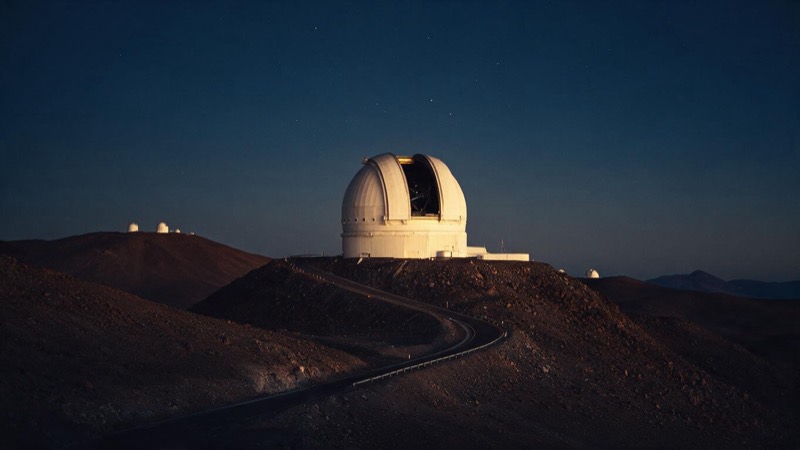
Astronomers on observing duty
Where to point, with minutes to choose? One timeline per event shows what is covered and what was withdrawn.
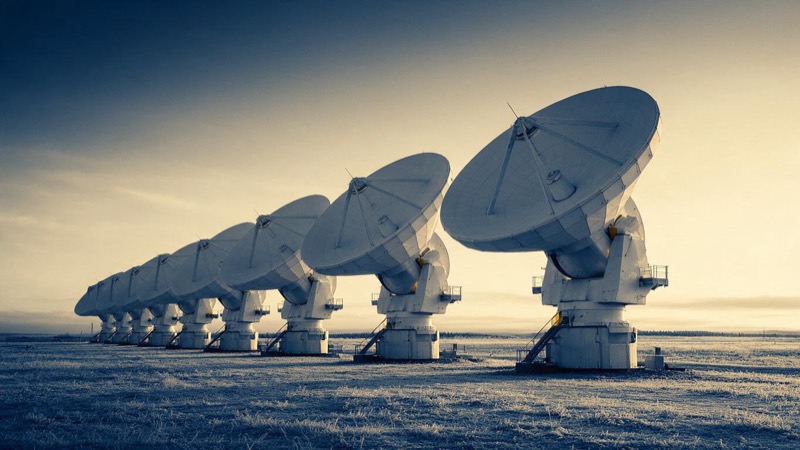
Satellite operators and airline dispatchers
Delay a manoeuvre or reroute a polar flight? How often warnings that strong came true.
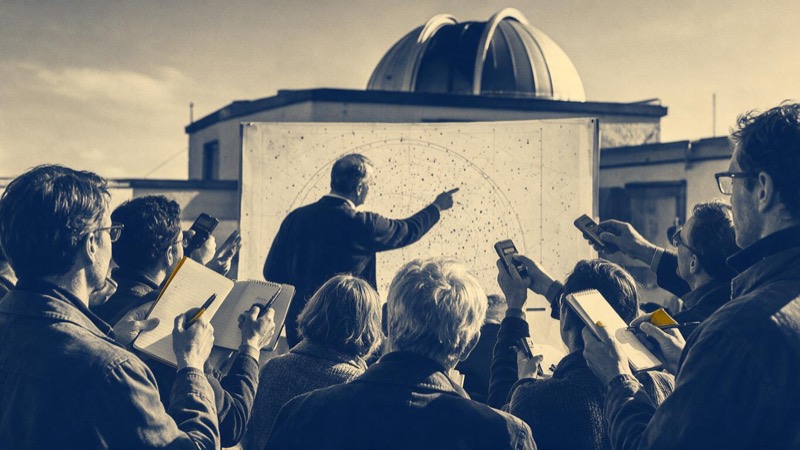
Science journalists
Run the cosmic claim, or hold it? Real event, system test or withdrawn alert, and whether anyone has confirmed it.

University research offices and funders
Reporting on funded work? Running counts of new datasets and software by field and licence, without chasing researchers.
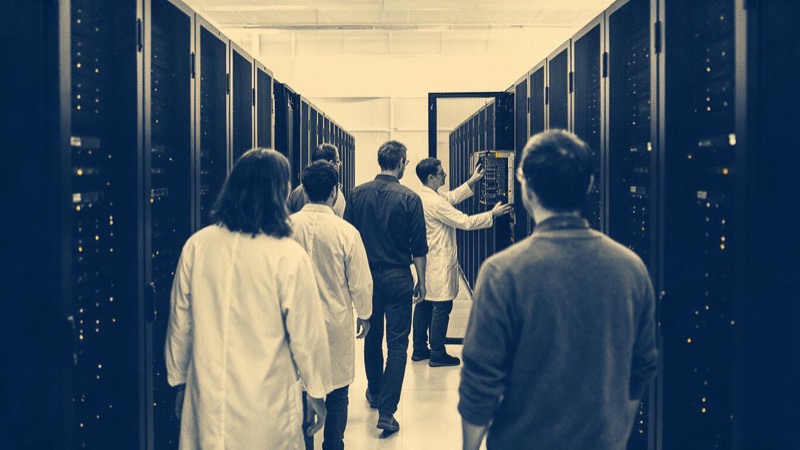
Research groups on shared supercomputers
Committing a long simulation to a deadline? A maintenance calendar and each machine's surprise-failure record show how much slack to leave.
What we model, test and run.
Flare on a disturbed field
Strong X-ray flare, official storm watch, and Earth's magnetic field already unsettled. When it forms: how strong the storm is likely to become, hours to peak, and how long it lasts.
One deadline, two machines
One supercomputer down for maintenance or outages while another stays up, with a deadline looming. Weighed against moving code, rebuilds, queue waits and the first machine coming back early.
A gold neutrino finds a partner
Does a gold neutrino alert find a gamma-ray or optical partner within seven days? How often, and how soon.
Storm season on the satellite plan
Severe flares and back-to-back storms, set against your manoeuvre, launch or polar-flight calendar: days above your threshold, how bad it could get, and operations hit.
Science alert tracking engine
Follows every alert, storm warning and machine status change. Queues an observation when a second detector agrees, holds a manoeuvre, resubmits a job elsewhere. Runs in your systems, on your rules.
What we build for you.
Cosmic event timeline
One line per cosmic event, matching gravitational-wave, gamma-ray, neutrino and optical reports by time and sky position. Tests left out, withdrawn alerts struck through, second-detector matches alerted.
Near-Earth candidate scorecard
A scorecard for each early hazard score on possible near-Earth asteroids: how often candidates are confirmed, already known, withdrawn or dropped. Counts and timings only, never positions.
Space-weather warning check
Solar X-ray brightness and Earth's magnetic disturbance, live, beside each official warning. Our score, not an official forecast: how often each strength comes true.
Research output monitor
Counts of new datasets and research software by field, kind, licence and institution, worldwide or for one university. Bursts flagged, such as a project releasing everything at once.
Supercomputer downtime model
Each major research supercomputer: planned maintenance kept apart from surprise failures, every outage costed in computing hours. For your job, the range of hours it could lose before its deadline.
Delivered to you.

Morning science briefing for newsrooms
For science desks: the night's sky events, storm warnings and notable data releases, before the morning meeting. Tests and withdrawn alerts left out.
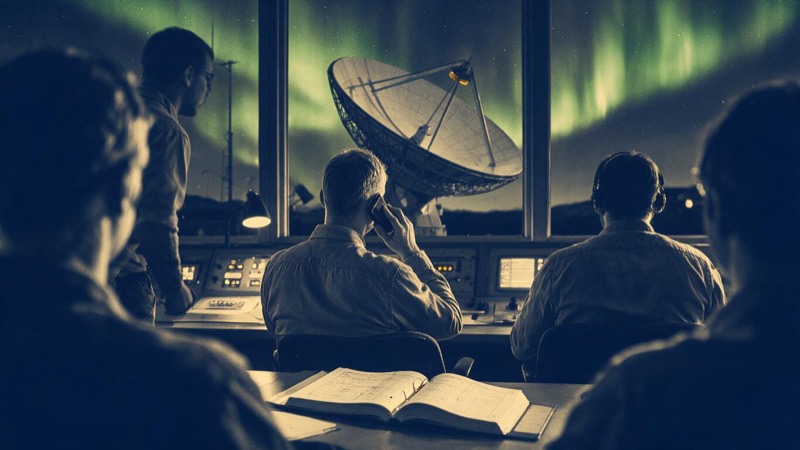
Space-weather alerts for operations teams
Storm alerts in your operations chat for satellite, airline and survey teams, each with how often that strength came true. Decisions stay yours.

Research output reports for universities and funders
Monthly report of datasets and software your institution or grant holders registered, by field, kind and licence, against a year earlier.
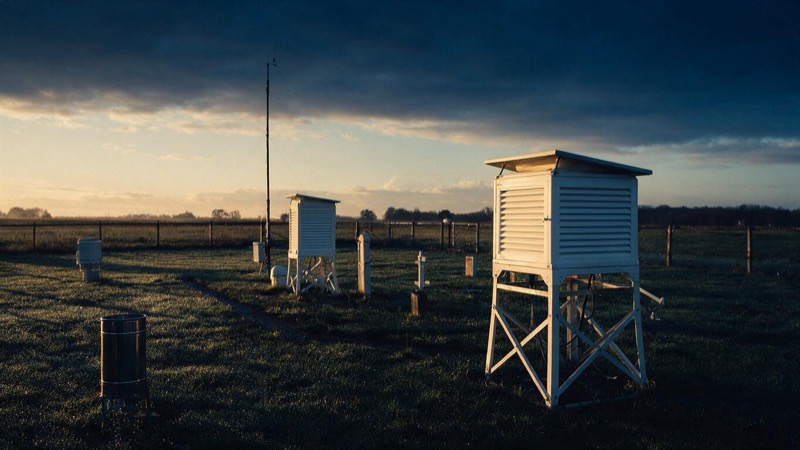
Verification reviews for early-warning methods
A written verification record for any early-call method, from exploding-star labels to storm warnings. Each call scored against the confirmed outcome.
Reading…
Power your idea → · Open the instrument · Intelligence, not advice.
We build the intelligence.